7 Beginner Electric Dirt Bike Maintenance Tips That Save Money
Quick Summary
Electric dirt bike maintenance is simpler than gas bike upkeep because you skip oil changes and spark plugs, but tires, brakes, the chain, suspension and battery still wear out. Checking them before and after rides and cleaning with low-pressure water keeps the bike safe and saves money on repairs.
- Check tire pressure, brake levers, battery charge and loose bolts before every ride.
- Use low-pressure water from a garden hose and keep spray away from the motor and battery connectors.
- Charge the battery after rides rather than leaving it nearly empty.
- Store the battery at around half charge in a dry, cool place for winter.
- Stop riding and get it checked if the battery swells or the bike runs hot.
Table of Contents
Why Electric Dirt Bikes Need Less Maintenance but Still Need Attention
Electric dirt bikes skip the oil changes, spark plugs and carburetor work that eat up time on gas bikes. That does not mean they run forever on their own. Moving parts, tires, brakes, the chain and the battery all still wear out, and a little regular attention keeps a bike safe and saves money on repairs.
Many new owners assume an electric bike is nearly maintenance free. That is the costly mistake. Water, mud and dust find their way into connectors, bolts loosen on rough trails, and chains stretch faster than riders expect. Catching these problems early is what separates a bike that rides well for years from one that leaves you stranded.
The steps below cover seven habits that protect your bike and your wallet. Each one is simple, and none requires expert tools to start.
Electric Dirt Bike Maintenance Checklist by Frequency
A simple schedule keeps maintenance from piling up. Use this as a starting point and adjust it to how often you ride and what kind of terrain you cover.
- Before every ride: Check tire pressure, squeeze the brake levers, confirm the battery is charged, and look for loose bolts.
- After every ride: Wipe off mud, check for damage, and inspect the chain for debris.
- Every 2 to 4 rides: Lubricate and check chain tension, and look at brake pad thickness.
- Monthly: Check all fasteners, inspect suspension for leaks, and test the throttle and lights.
- Every 3 to 6 months: Inspect the battery connectors and tire wear, and clean the drivetrain thoroughly.
Write the schedule down or save it on your phone. A reminder beats memory every time.
How to Clean an Electric Dirt Bike Without Damaging Electrical Parts
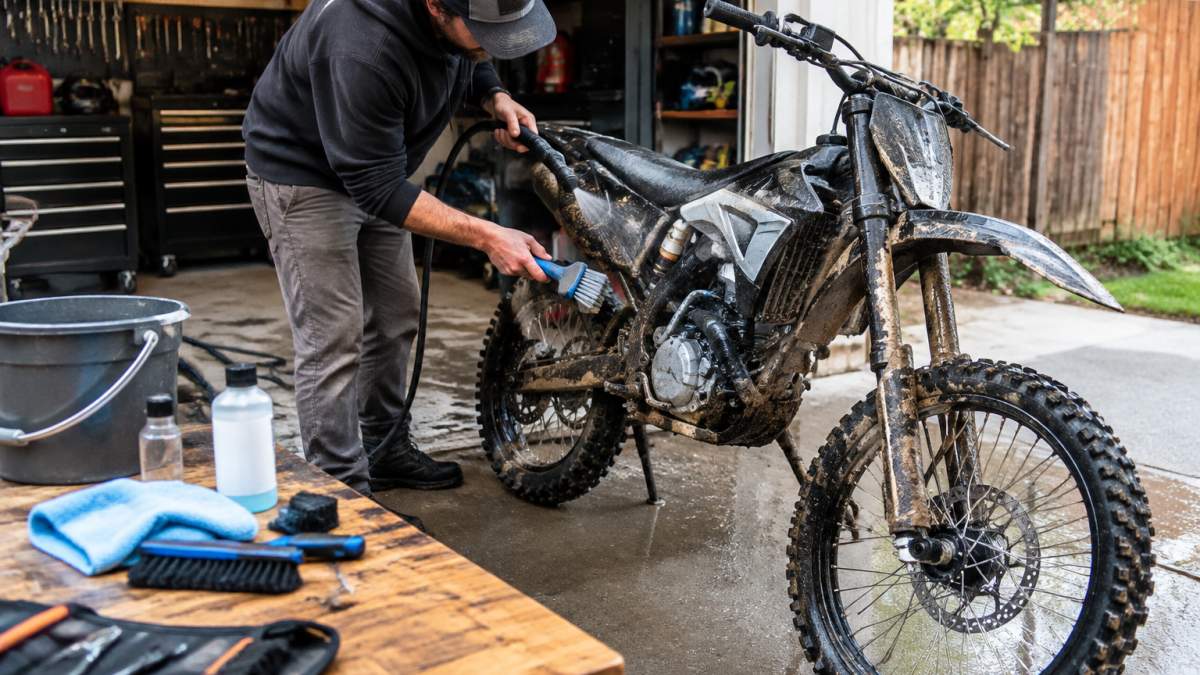
Cleaning is where many beginners cause damage. Pressure washers force water into seals and connectors, which can lead to corrosion and electrical faults.
- Rinse off loose dirt with low-pressure water from a garden hose.
- Scrub the frame and body with a soft brush and mild soap.
- Keep spray away from the motor, controller and battery connectors.
- Dry the bike with a cloth, then let it air dry in the shade.
- Apply a light lubricant to the chain once it is completely dry.
A common mistake is spraying directly at the battery area. Cover connectors with a dry cloth if you are rinsing near them.
Electric Dirt Bike Battery Care, Charging and Storage
The battery is the most expensive part of an electric dirt bike, so treat it with care. Lithium-ion batteries do best when kept at moderate temperatures and charged regularly.
Charging habits that extend battery life
- Charge after rides instead of leaving the battery nearly empty.
- Use the charger that came with the bike.
- Avoid charging in direct sun or right after a hard, hot ride.
- Unplug once the battery reaches full charge.
Winter storage and end-of-life signs
If you store the bike for the winter, charge the battery to around half and keep it somewhere dry and cool. Check the charge every month or two. Signs the battery is wearing out include shorter range, slower charging, and swelling or a hot case. Stop using the battery if you notice swelling, and have it checked before riding again.
Tires, Brakes, Chain and Suspension Checks
These parts take the most abuse on trails, so inspect them often.
- Tires: Keep pressure at the level printed on the sidewall. Look for cuts, bulges and worn tread.
- Brakes: Check pad thickness and make sure the lever feels firm. Spongy levers often mean air or low fluid.
- Chain: Look for dry spots and stiff links. A chain that is too loose or too tight wears out quickly.
- Suspension: Check for oil leaks around the fork seals and make sure the shocks move smoothly.
If anything feels off, stop riding and investigate. Small problems are cheap to fix. Big ones often are not.
Electric Dirt Bike Maintenance Tools to Keep on Hand
You do not need a full workshop. A small kit covers most routine tasks:
- Metric socket and wrench set for bolts and fasteners
- Torque wrench to avoid over-tightening
- Tire pressure gauge
- Soft brush and microfiber cloths
- Chain lubricant and a rag
- Multimeter for checking battery voltage and connectors
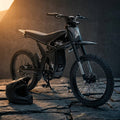
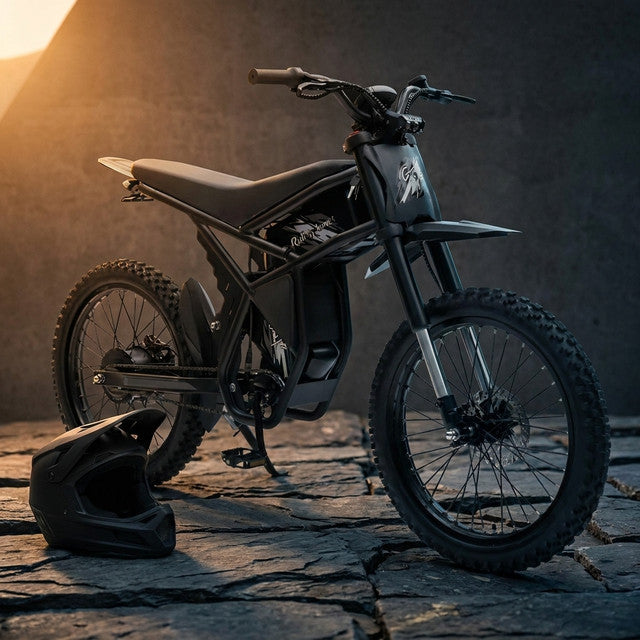
Store the kit somewhere dry. Many beginners find that a basic set pays for itself after one avoided shop visit. You can see the electric dirt bike these tools would maintain before deciding what to stock.
Troubleshooting Common Warning Signs and When to Visit a Shop
Some problems are easy to handle at home. Others need a professional.
- Bike won't power on: Check the battery charge and connectors first.
- Reduced range: The battery may be aging, or tire pressure may be low.
- Grinding or squealing brakes: Pads may be worn. Replace them before they damage the rotors.
- Burning smell or hot battery: Stop riding and let the bike cool. Get it checked.
Visit a shop for any electrical fault you cannot trace, any battery swelling, or any issue with the motor or controller. Do not open sealed electrical components yourself. For a closer look at the bikes this guide covers, see [Electric Dirt Bike Maintenance Tools to Keep on Hand] and the [GT73 Electric Dirt Bike, High-Performance Off-Road] for a model built for demanding trail use.
Frequently Asked Questions
How often should you maintain an electric dirt bike?
Check the bike before every ride, clean and inspect it after rides in mud or sand, and do a deeper service about once a month or every 20 to 30 hours of riding. Tire pressure, brake feel, chain tension and fasteners are the first things to check at each interval. Keep a simple log so you can spot wear trends over time and know when a part is due for replacement.
Can you wash an electric dirt bike with a hose?
Avoid pointing a pressure washer or a full garden hose directly at the motor, controller, battery or charging port, because water can push past seals and cause corrosion or electrical faults. Use a low-pressure rinse with a soft brush and a damp cloth, keep the stream away from connectors, and let the bike dry fully before charging. Lubricate the chain after washing so water does not strip the protective film.
How do you maintain an electric dirt bike battery?
Keep the battery between partial and full charge for storage, avoid running it completely flat, and charge it in a dry, ventilated area at room temperature. Store it somewhere cool and dry rather than in a hot shed, and check the connectors for corrosion or looseness each month. If the bike shows sudden range loss, swelling or overheating, stop using it and contact the manufacturer or a qualified shop.
What tools do you need for basic electric dirt bike maintenance?
A basic kit includes a torque wrench, a set of metric sockets and Allen keys, a tire pressure gauge, a chain lubricant, a soft brush, a microfiber cloth and a dielectric grease for connectors. Add a multimeter if you want to check battery voltage and a stand to lift the rear wheel for chain work. Always confirm torque values in your owner's manual before tightening any fastener.