The Complete Guide to Electric Dirt Bike Battery Range
Last Updated: October 26, 2026
Quick Summary
Electric dirt bike battery range is the distance your bike travels on a single charge, varying dramatically based on battery capacity, terrain, riding style, and environmental conditions. Real-world range depends on how you ride, with factors like elevation gain, regenerative braking, rider weight, and headwind significantly affecting total distance.
- Elevation gain consumes 10-15% of battery capacity per 500 feet of climbing
- Regenerative braking recovers 5-10% of energy compared to hard friction stops
- Under-inflated tires reduce range by 10-15% due to increased rolling resistance
- Plan routes with at least 10-15% battery remaining to prevent getting stranded
- A 60V 28.8Ah battery delivers up to 60 miles per charge under optimal conditions
Table of Contents
- Understanding Electric Dirt Bike Battery Range Basics
- How Far Can an Electric Dirt Bike Go on One Charge
- Electric Dirt Bike Battery Capacity and Its Impact on Range
- Key Factors That Affect Your Riding Distance
- Electric Dirt Bike Range Test Methodology and Real-World Results
- How to Extend Electric Dirt Bike Range While Riding
- Battery Lifespan, Degradation, and Long-Term Range Planning
- Choosing Your Next Electric Dirt Bike Based on Range Needs
- Frequently Asked Questions
Understanding Electric Dirt Bike Battery Range Basics
The electric dirt bike battery range is the distance your bike can travel on a single charge before the battery depletes. This range varies dramatically based on battery capacity, terrain, riding style, and environmental conditions. Understanding these variables is essential before purchasing an electric dirt bike or planning your trail adventures.
The difference between a bike that barely makes it back to your truck and one that gives you hours of trail time comes down to how well you understand battery performance.
Battery range isn't a fixed number, it's a range.
How Far Can an Electric Dirt Bike Go on One Charge
The UL2849 standard for electric bikes provides safety guidelines but does not mandate range testing, so manufacturers use different methodologies. This means comparing advertised ranges across brands requires scrutiny. A bike claiming 60 miles might deliver that under perfect conditions, flat terrain, moderate speed, light rider, but drop to 35-40 miles in real trail conditions.
Real-world range depends on how you ride.
Electric Dirt Bike Battery Capacity and Its Impact on Range
Battery capacity is measured in watt-hours (Wh) or amp-hours (Ah) at a specific voltage. A 60V 28.8Ah battery like the one in Marvelous Sales' high-performance electric dirt bike delivers 1,728 watt-hours of total energy. Higher capacity batteries store more energy and, under similar riding conditions, deliver longer range.
Key Factors That Affect Your Riding Distance
Terrain and Elevation
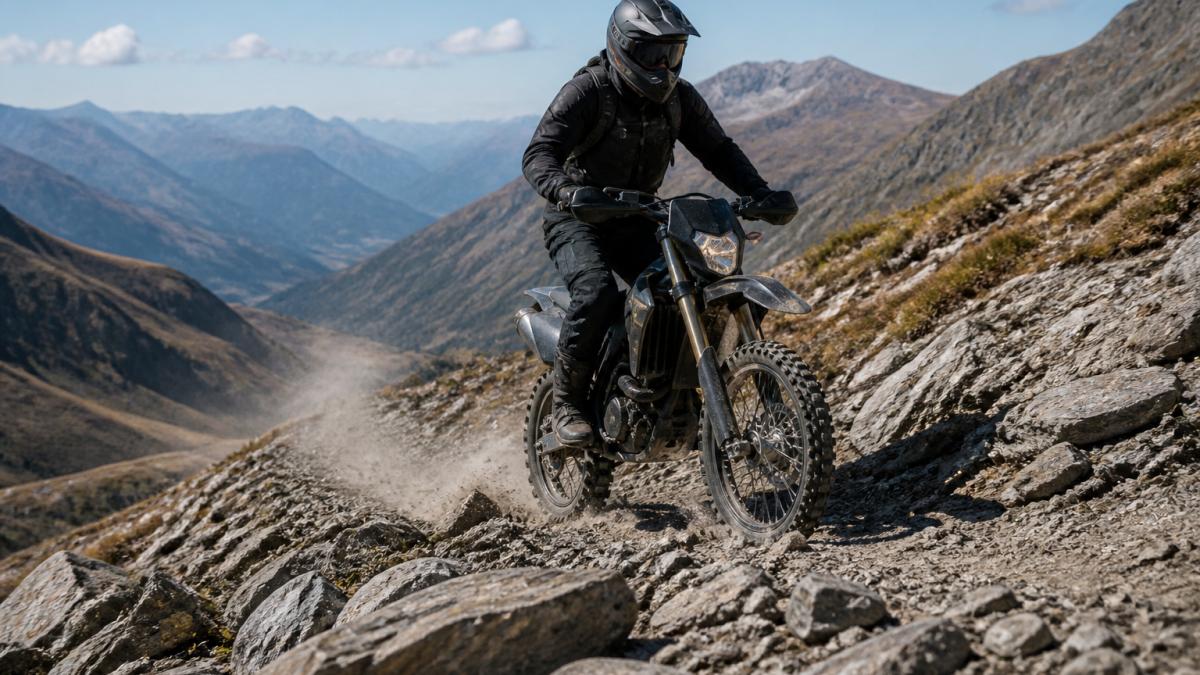
Elevation gain is the most predictable range killer. Every 500 feet of climbing consumes roughly 10-15% of battery capacity, depending on motor power and rider weight. Plan accordingly if your trails include significant elevation changes.
Riding Style and Throttle Use
Braking also affects range. Regenerative braking, where the motor acts as a generator during deceleration, recovers some energy on models equipped with it. Traditional friction brakes waste energy as heat. Check whether your bike has regenerative capability; if it does, smooth braking recovers 5-10% of energy compared to hard stops.
Rider Weight and Cargo Load
The bike's own weight also influences range. Heavier bikes require more energy to accelerate and climb. Premium models often weigh 5-10 pounds more than budget options due to better components, which translates to a 3-5% range penalty under identical conditions.
Temperature and Weather Conditions
Wind resistance becomes noticeable at higher speeds. Riding directly into a strong headwind can reduce range by 10-15% compared to calm conditions. Tailwinds provide a modest efficiency boost but aren't reliable for range planning.
Several factors significantly impact how far your electric dirt bike will travel on a single charge.
| Factor | Impact on Range | Details |
|---|---|---|
| Elevation gain | 10-15% per 500 feet | Every 500 feet of climbing consumes significant battery capacity |
| Regenerative braking | +5-10% recovery | Smooth braking recovers energy compared to hard friction stops |
| Bike weight | 3-5% penalty | Heavier bikes require more energy to accelerate and climb |
| Tire pressure | 10-15% reduction if low | Under-inflated tires increase rolling resistance |
| Headwind | 10-15% reduction | Riding into strong headwind reduces range significantly |
| Rider weight and cargo | Variable penalty | Heavier loads require more energy to move and climb |
Electric Dirt Bike Range Test Methodology and Real-World Results
Testing your own bike under known conditions is the most reliable way to plan rides. Ride a measured distance at your typical intensity, note the battery percentage consumed, and calculate your actual range. One test loop gives you a baseline for future planning.
Electric Dirt Bike for Teens Adults, 4500W Peak Ebike, 60V 28.8Ah with 50MPH →
How to Extend Electric Dirt Bike Range While Riding
Tire pressure affects rolling resistance. Properly inflated tires extend range by reducing friction. Check manufacturer specifications and maintain pressure within the recommended range. Under-inflated tires increase resistance and reduce range by 10-15%.
Battery Lifespan, Degradation, and Long-Term Range Planning
Reserve planning is essential for trail safety. Never ride until the battery is completely depleted. Plan your route so you return with at least 10-15% battery remaining. This buffer prevents getting stranded and protects the battery from deep discharge, which accelerates degradation.
Choosing Your Next Electric Dirt Bike Based on Range Needs
The electric dirt bike industry overview from Adventure Journal notes that range requirements vary dramatically by riding style and terrain. Before purchasing, honestly assess your typical ride distance, terrain difficulty, and riding intensity.
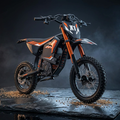
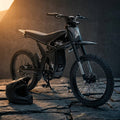
Marvelous Sales offers two electric dirt bike options. Browse the full electric dirt bike collection to find models that match your range and performance needs. The 4500W Peak Ebike with a 60V 28.8Ah battery delivers up to 60 miles per charge and has 4500W peak power, a top speed around 50 MPH, 14"/12" off-road tires, dual hydraulic brakes, and full suspension.

The GT73 is described as an off-road bike with a powerful motor, rugged tires, confident acceleration, responsive handling, and a durable frame and components designed for adventure riding.

Frequently Asked Questions
How far can an electric dirt bike go on a single charge?
The listed 60V 28.8Ah electric dirt bike offers up to 60 miles per charge.
What electric dirt bike battery capacity offers the best range?
The listed electric dirt bike has a 60V 28.8Ah battery and offers up to 60 miles per charge. Choose based on your typical riding distance and terrain difficulty.
Does riding uphill reduce electric dirt bike range?
The supplied product information does not specify how uphill riding affects range.
How can I extend my electric dirt bike's battery range?
The supplied product information does not specify techniques for extending battery range.
What's the difference between advertised range and real-world range?
The supplied product information does not specify how advertised range compares with real-world range.
How long does an electric dirt bike battery last over time?
The supplied product information does not specify battery lifespan or maintenance guidance.
Should I plan reserve battery for safety on long rides?
The supplied product information does not specify a recommended battery reserve for rides.
Choosing the right electric dirt bike for your riding style starts with honest range planning. Understanding how battery capacity, terrain, weight, and riding style interact prevents expensive mistakes and ensures your bike matches your adventures. Start with a conservative range estimate, test your actual performance on familiar trails, and adjust your planning accordingly. The goal is reliable, predictable range that lets you focus on the trail rather than battery anxiety.